Recently iFixit released a video in which they awarded prizes to the worst products of CES 2025. There were multiple trophies on offer, for example for environmental impact (lollipop with disposable electronics), who even asked for this? (coffee maker with AI), worst for cybersecurity (treadmill with AI integration) and so on.
What all of these products have in common (other than AI) is that they take perfectly ordinary products, like coffee makers and lollipops and add computers to them in order to make the products worse. Yep, worse.
But claiming that adding digital technology to products makes them worse cuts against the grain of our tech-obsessed culture, which believes that adding technology to products is necessarily innovative, and innovation is good. Adding features is always good, and digital features in particular are the best ones. After all, they make products smart, and who doesn’t love smart? You know what the opposite of smart is? Dumb, and who wants to be dumb?
Now don’t get me wrong, I love technology. I am no luddite of course. I am tech-obsessed myself, I play with technology in my spare time, I have a fancy tech degree and I make good money making tech for a living. So when I say that adding technology to products can very easily make them worse, it comes from a place of loving technology. Still, it is painfully obvious to most people that these kinds of smart products are extremely dumb and pointless. So why do companies add computers to seemingly everything, even if it clearly makes the products worse?
One thing I hear a lot is that all of this is some kind of sinister surveillance capitalist plot to increase profits by stealing people’s data and cramming ads down their throats. That this is the inevitable result of market pressures to bring in ever greater profits. But I think that the reason that these terrible products exist is a little more complicated than that.
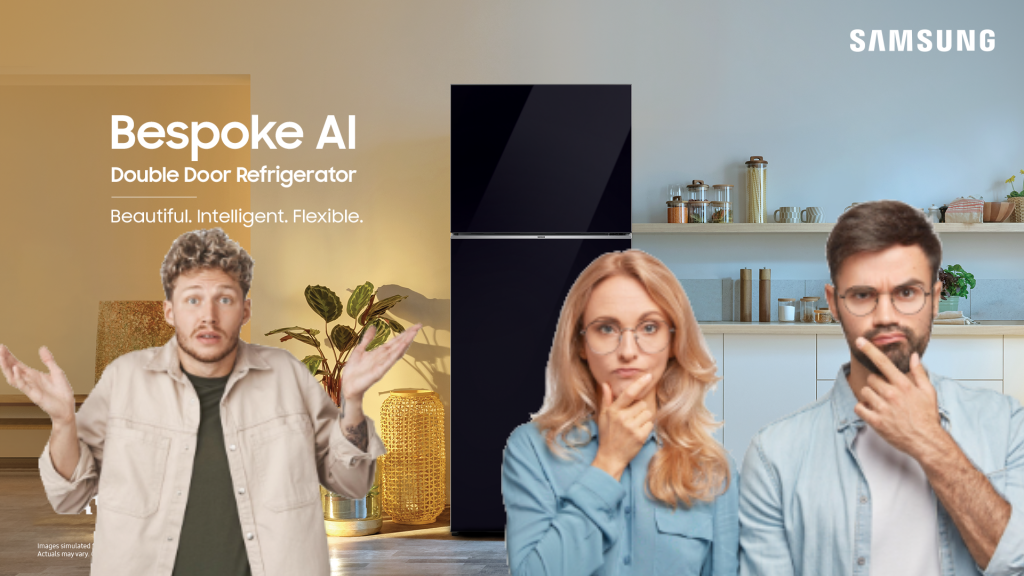
My thesis is that people are underestimating the influence of culture on the economy. After all, Samsung tells us with a straight face that saying “open sesame” to your fridge is smart, intelligent and worth paying money for, even if everyone watching the promo is thinking “wait, isn’t this more effort than simply pulling the damn handle?” Objectively speaking, if they wanted to make more money selling refrigerators, they wouldn’t invest a fortune in creating these complicated products that most people roll their eyes at. They would try to make manufacturing more efficient.
The real answer to the question of “why does a smart lollipop exist?” is that so many decades of amazing technological advancement has not just changed our societies and economy, but it has also changed us. We have lived through the computer revolution which has continuously innovated, transformed and delivered value with its rapid digitalisation, and how can this not have influenced the way we view technology? These days, it seems like a lot of people have become blind techno-optimists who believe that every new shiny piece of technology is “the future” which will change everything, and why would it be unreasonable to believe it to be the case? People have lived through multiple technological revolutions (think the internet, smartphones etc). <Insert new stuff> is just the next <insert previous breakthrough>. Blockchain is the next smartphone.
So when you go to work designing coffee makers, why not add a computer and AI to it? After all, AI is the most hyped new technology there is. It, not some kind of mechanical improvement, will “revolutionise” your product and make you rich. It will also make your company the best kind of company: A tech company. Ka-ching! You can practically see your stock price go to the moon right in front of your very eyes. Will adding a better handle to your fridge do that?
The FOMO is real and it’s not rational. The people inside these companies are not pushing for making products smart and adding ridiculous features like AI to coffee makers or treadmills because they sat down and performed a rational analysis of how to maximise their profits, and then decided that selling your data and putting ads on your fridge is the best way to accomplish it. The fear of missing out is firmly in the driver’s seat in our tech-obsessed culture, not cold hard calculated rationality.
Adding a computer to a product is not necessarily smart of course. In many cases, the big screens and smart features get in the way of the core functionality, and they turn otherwise reliable products into products with a limited lifespan as no computer lasts forever, and sometimes companies even turn off the required cloud service before the products themselves die.
Compare my oven and alarm clock to my washing machine and dishwasher. My oven and alarm clock have cheap LCD displays and buttons to manually adjust the time (though the clock has a radio for automatically adjusting for daylight savings too!) I can then schedule things with physical buttons. My washing machine and dishwasher also support scheduling, but they must be connected to an app and/or WiFi, which makes them “smart”. These are 2 different approaches to modern product design. I know which one I prefer.